
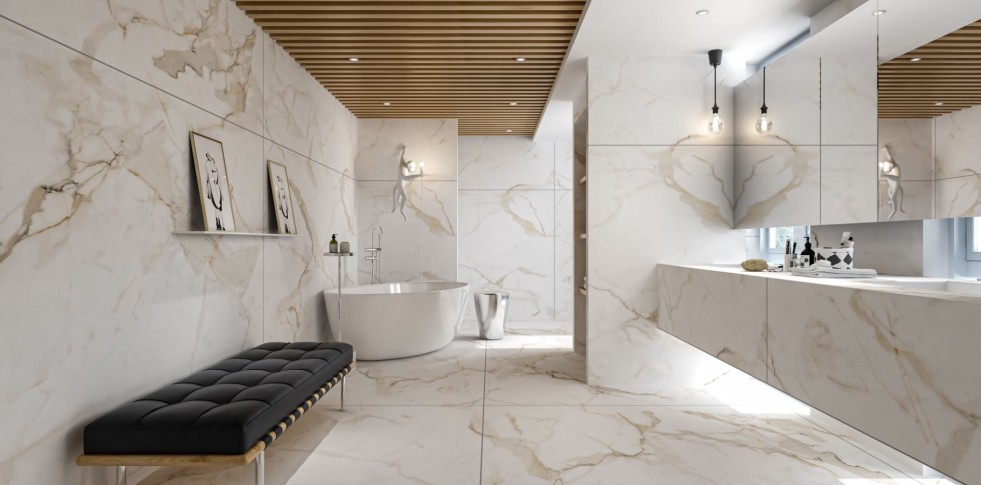
How Digital Glazed Vitrified Floor Tiles Are Made?
Digital glazed vitrified tiles have transformed modern architecture and interior design by offering superior strength, elegant designs, and long-lasting performance. These tiles are widely used in residential and commercial spaces because they combine advanced technology with aesthetic appeal. In this tutorial-style guide, we explain how digital glazed vitrified tiles are made, step by step, so you can clearly understand the process behind their premium quality and finish.
Understanding Digital Glazed Vitrified Tiles
Digital glazed vitrified tiles are manufactured using a combination of high-quality raw materials and advanced digital printing technology. Unlike traditional tiles, these tiles feature digitally printed designs protected by a strong glaze layer, making them suitable for walls and floors, including high-traffic areas.
They are commonly used as Digital Glazed Vitrified floor tiles in living rooms, kitchens, bathrooms, and commercial spaces due to their durability, water resistance, and premium glazed vitrified tiles design options.
Step-by-Step Process: How Digital Glazed Vitrified Tiles Are Made
1. Selection and Preparation of Raw Materials
The manufacturing process begins with selecting refined raw materials such as:
- Natural clay
- Feldspar
- Silica
- Quartz
These materials are carefully measured and mixed to achieve the right composition. The goal is to create a dense tile body that delivers strength and low water absorption, which is a key feature of digital glazed vitrified tiles for bathroom and flooring applications.
The mixture is ground into a fine powder to ensure uniformity and consistency.
2. Spray Drying for Consistent Tile Powder
The powdered raw material is processed through a spray dryer. This step removes excess moisture and converts the mixture into free-flowing granules.
These granules help in:
- Maintaining uniform tile thickness
- Ensuring smooth pressing
- Reducing defects during firing
This consistency is essential for producing high-quality Digital Glazed Vitrified floor tiles.
3. High-Pressure Tile Pressing
The prepared granules are fed into hydraulic presses that apply extremely high pressure. This pressure compacts the powder into a solid tile shape.
At this stage:
- The tile gets its basic form
- Density is increased
- Structural strength is developed
This step plays a major role in defining the durability and longevity of digital glazed vitrified tiles.
4. Drying the Pressed Tiles
After pressing, the tiles still contain slight moisture. They are passed through controlled dryers to eliminate remaining moisture before glazing.
Proper drying:
- Prevents cracks and warping
- Ensures better glaze adhesion
- Improves final tile strength
5. Digital Printing Technology
This is where digital glazed vitrified tiles stand apart.
Using advanced inkjet digital printing machines, high-resolution designs are printed directly onto the tile surface. These machines can reproduce:
- Natural stone textures
- Marble and wood patterns
- Random digital glazed vitrified tiles designs
- Contemporary and premium patterns
This technology allows greater design flexibility and consistency, making it possible to create premium glazed vitrified tiles design collections that look natural and elegant.
6. Application of Protective Glaze Layer
Once the design is digitally printed, a transparent glaze layer is applied over the surface.
This glaze:
- Protects the design from fading
- Enhances gloss or matte finish
- Improves stain and scratch resistance
The glaze layer also makes digital tiles suitable for both walls and floors, especially in moisture-prone areas like bathrooms and kitchens.
7. High-Temperature Firing in Kilns
The glazed tiles are fired in kilns at temperatures exceeding 1200°C. This process vitrifies the tile, meaning the particles fuse together to form a dense, non-porous structure.
Firing ensures:
- High mechanical strength
- Low water absorption
- Long-lasting surface finish
This step is crucial in determining the final performance and durability of digital glazed vitrified tiles.
8. Surface Finishing and Quality Checks
After firing, tiles undergo surface finishing such as polishing or matt finishing, depending on the product range.
Each tile is then inspected for:
- Size accuracy
- Surface quality
- Design clarity
- Structural strength
Only tiles that meet strict quality standards are approved for packaging.
Advantages and Disadvantages of Digital Glazed Vitrified Tiles
Advantages
- Wide range of designs and textures
- Suitable for floors and walls
- Easy to clean and maintain
- Ideal for residential and commercial spaces
- Competitive digital glazed vitrified tiles price considering durability
Disadvantages of Digital Tiles
- Glossy surfaces may be slippery when wet
- Slightly higher initial cost than basic ceramic tiles
- Requires skilled installation for best results
Despite these limitations, their performance and appearance make them a preferred choice in modern construction.
Applications of Digital Glazed Vitrified Tiles
Digital tiles are versatile and widely used as:
- Digital tiles for walls and floors
- Flooring for living rooms and bedrooms
- Digital glazed vitrified tiles for bathroom walls and floors
- Commercial spaces such as malls and offices
Their resistance to moisture and stains makes them ideal for both indoor and semi-outdoor areas.
Understanding Digital Glazed Vitrified Tiles Price
The digital glazed vitrified tiles price depends on several factors:
- Tile size and thickness
- Design complexity
- Surface finish (glossy, matt, satin)
- Brand quality and technology used
Premium manufacturers offer better design clarity, durability, and consistent quality, ensuring long-term value.
Why Choose Digital Glazed Vitrified Tiles?
Digital glazed vitrified tiles combine advanced manufacturing technology with design excellence. Their ability to mimic natural materials while offering superior durability makes them a smart investment for modern homes and commercial projects.
For high-quality designs, innovative finishes, and reliable performance, premium brands like Qutone Ceramic offer a wide range of digital glazed vitrified tiles that meet global standards.
Write a Comment